Catch-Up Bookkeeping: How to Get Behind Books Current
Catch-up bookkeeping is the process of bringing missing or outdated financial records forward until your books are accurate through the current month.
Being months behind on bookkeeping creates a specific kind of stress. You may know money is coming in, but you can’t tell how much the business actually earned. You may have a general idea of what is in the bank, but your accounting software shows a different balance. Bills, deposits, credit card charges, transfers, and payroll records may be sitting in different places without a clear connection.
When the books remain behind, normal business decisions become harder. You may delay hiring, purchasing equipment, paying yourself, or applying for financing because the reports don’t give you a reliable picture.
Catch-up bookkeeping addresses the backlog in an orderly way. It isn’t the same as deciding how many years of records should be reviewed. That is a separate scope decision. This article focuses on how the work gets done after you know the books need to be brought current.
For a broader explanation of cleanup work, see the small business bookkeeping cleanup guide.
What catch-up bookkeeping includes
Catch-up bookkeeping covers the missing months between the last reliable records and the most recent completed month. The work usually includes:
- Gathering bank, credit card, loan, payroll, and payment processor records
- Entering or importing transactions
- Categorizing income, expenses, transfers, assets, liabilities, and owner activity
- Reconciling each account against its statements
- Correcting duplicate, missing, or misclassified transactions
- Reviewing the reports after the accounts have been reconciled
- Establishing a monthly process to keep the books current
The order matters. Working on the most recent month first can create more confusion when earlier balances are wrong. Catch-up work normally starts with the oldest missing period and moves forward.
How the catch-up bookkeeping process works
1. Gather the records
The first step is collecting the source documents for the entire catch-up period. Bank feeds alone aren’t enough when older transactions are missing or duplicated. Statements provide the record needed to confirm what actually cleared the account.
The records may include:
- Business checking and savings statements
- Business credit card statements
- Loan statements
- Payroll reports
- Merchant processor reports
- Receipts and vendor invoices
- Customer invoices and payment records
- Prior financial statements and tax returns
The exact documents depend on the business and the accounts involved. A service business with one checking account has a different record set from a contractor with several bank accounts, credit cards, loans, and payment platforms.
A complete set of records makes it possible to see what is missing before transactions are entered. It also helps identify whether a problem began in the accounting software or in the underlying documentation.
2. Review the existing file
If you already use QuickBooks, the next step is reviewing the existing company file. The review looks for the point where the records stopped being reliable and identifies problems that may have carried into later periods.
Common issues include:
- Bank accounts that haven’t been reconciled
- Duplicate transactions from repeated bank-feed downloads
- Large uncategorized balances
- Incorrect opening balances
- Credit card payments recorded as expenses instead of transfers
- Transfers between accounts recorded as income or expenses
- Loan payments recorded without separating principal and interest
- Owner contributions or draws posted to the wrong accounts
A QuickBooks file may look active even when the reports are inaccurate. Transactions can continue to download while the account balance, classifications, or opening entries remain wrong.
If the file needs structural correction, QuickBooks setup and training may be part of the engagement.
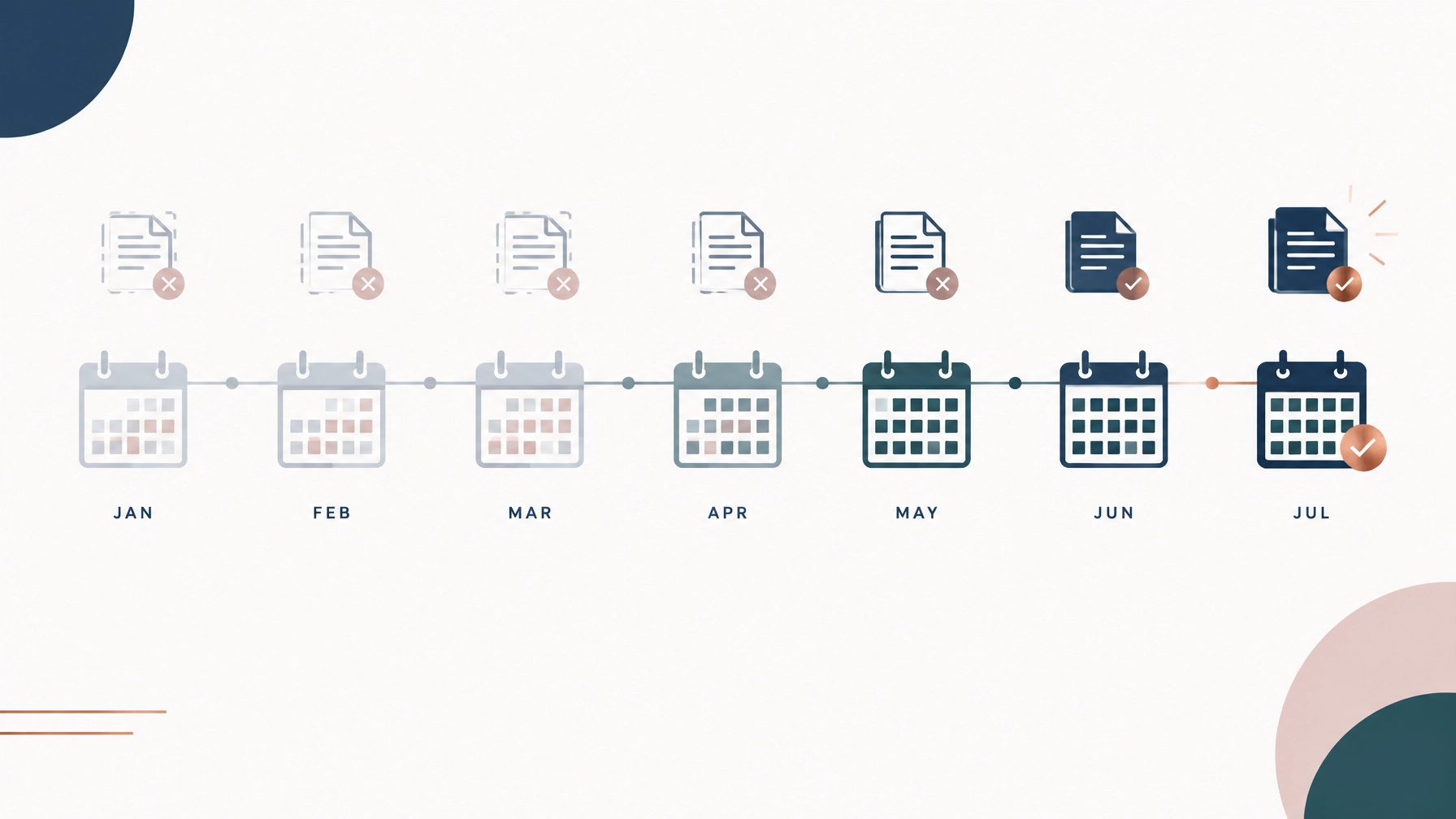
3. Work from the oldest missing month forward
Catch-up bookkeeping is completed in chronological order. The oldest missing month is addressed first, then the next month, and so on until the books reach the present.
This approach keeps beginning and ending balances connected. It also makes it easier to identify when an error entered the records.
For example, if the first missing month ends with an incorrect bank balance, every later month may begin with the same problem. Correcting the earlier period first prevents the error from being carried forward.
4. Categorize each transaction
Every deposit and withdrawal needs an appropriate account. Categorization determines how transactions appear on the Profit and Loss statement, Balance Sheet, and other reports.
Typical categories include:
- Sales or service income
- Operating expenses
- Payroll and payroll liabilities
- Bank fees and merchant fees
- Equipment and other assets
- Loan principal and interest
- Owner contributions and draws
- Transfers between business accounts
- Credit card payments
Categorization requires more than choosing the closest-looking expense account. A payment from a checking account to a credit card is generally a transfer. The individual charges on the credit card are the expenses. Treating both the charges and the payment as expenses can overstate costs.
The same issue occurs with transfers between business accounts. The money may appear as a deposit in one account and a withdrawal in another, but it isn’t new business income or an operating expense.
Unclear items should be placed on a question list for review. Leaving a large balance in an uncategorized account makes the reports difficult to interpret and may conceal errors.
5. Reconcile each account
Reconciliation means comparing the transactions in the accounting file with the activity shown on the statement. The ending balance in the books should agree with the statement balance for the same period.
The work typically involves:
- Entering the statement ending balance and period
- Matching deposits and withdrawals
- Identifying missing transactions
- Removing duplicates
- Correcting obvious errors
- Investigating old uncleared items
- Completing the reconciliation before moving to the next period
Bank accounts and credit cards are reconciled month by month. The process continues until each account agrees with its external statement.
A reconciliation that is forced to balance without investigating the difference doesn’t solve the problem. It only moves the unexplained amount somewhere else in the file.

6. Review the financial reports
After transactions are categorized and accounts are reconciled, the reports need a careful review.
The Profit and Loss statement shows revenue and expenses for the period. The Balance Sheet shows assets, liabilities, and equity as of a specific date. A Cash Flow statement may help explain why the bank balance changed.
The review should look for:
- Income that appears unusually high or low
- Expense categories with unexpected balances
- Negative balances that don’t make sense
- Loan balances that don’t agree with lender statements
- Credit card balances that don’t agree with statements
- Payroll or sales tax liabilities that remain unresolved
- Large uncategorized or clearing-account balances
- Owner activity posted as business income or expense
This review is where the records begin to become useful. The goal isn’t only to enter transactions. The goal is to produce financial statements that reflect the business activity in a way you can understand.
What it feels like when the books are current
The finish line is a set of books that agrees with the available records and reflects the business through the current month.
You can see revenue, expenses, cash, debt, and owner activity in the right places. You can give your tax preparer organized records instead of a collection of unreviewed statements. You can make decisions using reports that have been checked against the underlying account activity.
The records may still contain questions that need to be documented. Accurate bookkeeping doesn’t mean every business decision becomes simple. It means the information used for those decisions is supported and current.
Lisa Hamlin brings about 16 years of accounting experience and a B.S. in Forensic Accounting to this work. That background matters when a file contains unusual balances, missing transactions, duplicate entries, or activity that doesn’t fit the business records.
How to stay current after catch-up work
Catch-up bookkeeping should end with a process for staying current. Otherwise, the same backlog can return.
Monthly bookkeeping normally includes:
- Importing or entering new transactions
- Categorizing income and expenses
- Reconciling bank and credit card accounts
- Reviewing accounts receivable and accounts payable
- Checking loan and liability balances
- Delivering updated financial statements
- Asking about transactions that remain unclear
The business owner also has a role. Receipts, invoices, payroll records, and account statements need to be saved and provided consistently. Questions should be answered while the transactions are still familiar.
Some businesses need monthly bookkeeping handled from start to finish. Others need help setting up QuickBooks and learning how to maintain the file correctly. The right arrangement depends on the condition of the records, the number of accounts, and how much time you can give the work.
Book It Accounting provides bookkeeping services for businesses in King George, Fredericksburg, Stafford, and Spotsylvania, as well as virtual clients throughout the country.
Get an honest assessment of your books
If you’re months or years behind, you don’t need to guess what the cleanup involves. Book It Accounting can review your situation, explain the work in plain language, and identify the records needed to move forward.
Schedule a free consultation through the contact page or call (804) 920-4972.
Frequently Asked Questions
What is catch-up bookkeeping?
Catch-up bookkeeping is the process of bringing behind financial records current. It involves gathering statements, entering transactions, categorizing activity, reconciling accounts, correcting errors, and reviewing financial reports.
Is catch-up bookkeeping the same as bookkeeping cleanup?
The terms are often used together, but they describe related work. Catch-up bookkeeping focuses on completing missing periods and moving the records forward. Cleanup may also include correcting historical errors, duplicate transactions, incorrect opening balances, and misclassified activity.
How does historical bookkeeping clean up work?
Historical bookkeeping clean up begins with source documents such as bank and credit card statements. The records are reviewed, entered or imported, categorized, and reconciled in chronological order. Errors and unclear transactions are addressed as the work moves toward the current month.
What if my books are several months behind?
The process remains the same. The records are gathered for the missing period, and the accounts are worked through in order. The amount of work depends on the number of accounts, transaction activity, condition of the existing file, and completeness of the source records.
Do I need QuickBooks for catch-up bookkeeping?
Book It Accounting works in QuickBooks Online and QuickBooks Desktop. If you don’t have a suitable QuickBooks file, setup may be needed before the catch-up work begins. The accounting records must be structured correctly before reports can be relied on.
Can catch-up bookkeeping prevent future backlogs?
Catch-up work corrects the existing backlog. Monthly bookkeeping afterward keeps new activity from accumulating. That ongoing process includes transaction entry, categorization, reconciliation, and report review.
Does catch-up bookkeeping include tax preparation?
Not automatically. Catch-up bookkeeping prepares the records for review and tax filing. Tax preparation is a separate service that can be discussed during the consultation.